


Ever worry if your travel payments are truly safe when you book online? Many of us tend to skip updating our gadgets or use public WiFi, and that can leave our payment info exposed.
But here's an insider tip: keep your software up to date, stick to private networks, and always check for that secure lock symbol on websites. When you do these simple steps, you can relax and focus on the adventure ahead.
This guide serves up easy, practical tips to secure your transactions so you can travel with peace of mind. Enjoy your journey, knowing your payments are as secure as your itineraries.
Secure Travel Transactions Online: Easy Safe Payments
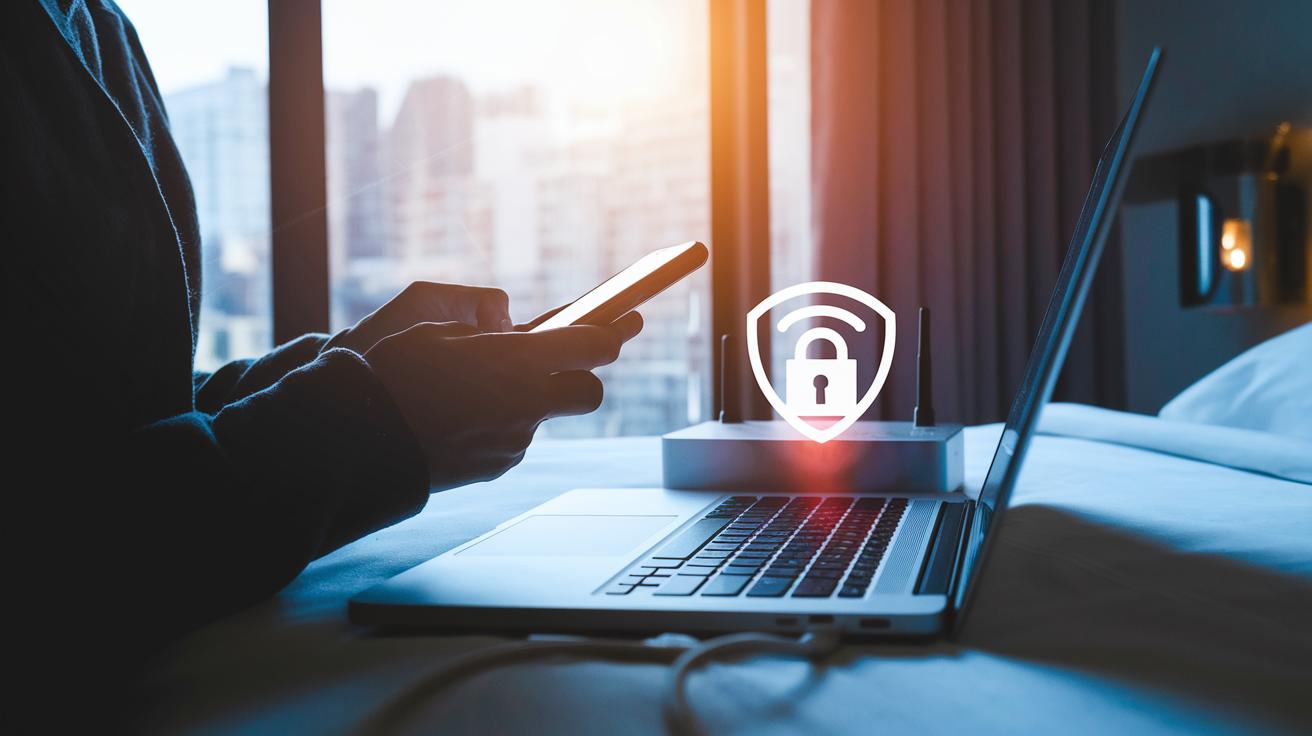
When you're traveling, keeping your payment information secure is a must. Begin by updating your devices, your phone and laptop, with the newest software, patches, and antivirus tools. It really does help to lower the risk from old security issues. Have you ever delayed an update and regretted it later? It happens more than you’d think.
Next, pick secure networks when making online transactions. Instead of the free public Wi-Fi that might be sketchy, try using your personal hotspot or mobile data. Also, check that travel booking sites show "https" along with that padlock icon. That tells you your info is safely on its way.
Quick tips for travel payment security:
- Update your devices with the latest operating systems, patches, and antivirus software.
- Use secure Wi-Fi like your personal hotspot instead of public networks.
- Look for "https" and a padlock icon on travel booking sites and apps.
- Turn on real-time alerts for any purchases, transfers, or sign-ins.
- Steer clear of public USB charging stations to avoid juice-jacking.
- Use ATMs inside secure bank lobbies to dodge card skimmers.
- Carry various payment options, from cash and debit to credit cards and mobile wallets.
- Check your bank accounts every few days and report anything suspicious immediately.
Keeping a close eye on your transactions through a mobile app means you can spot anything out of the ordinary right away. And by using several payment methods, you'll have built-in backups to keep your travel plans running smoothly.
Encrypted Checkout Systems and Secure Payment Gateways for Travel Transactions Online
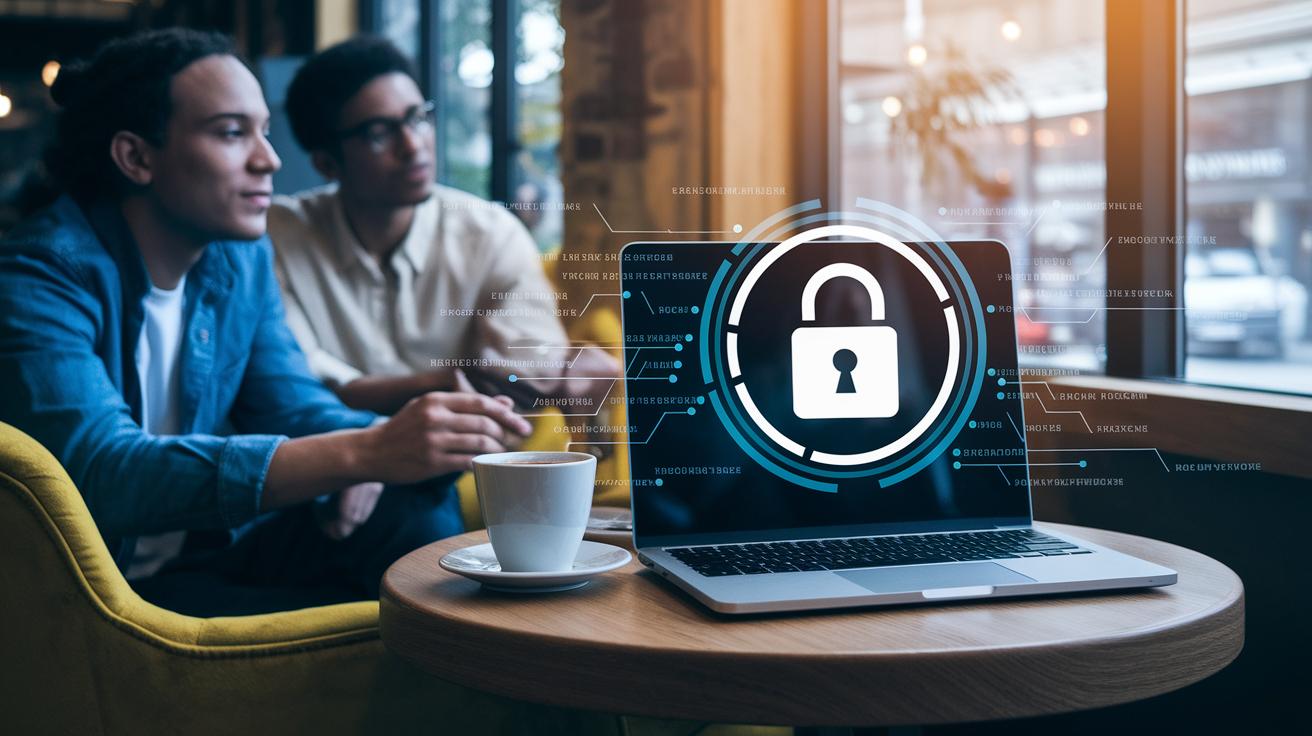
When you book travel online, you deserve to feel safe. That’s why most travel sites now use payment systems with full end-to-end encryption. This means your data stays secure from the moment you click through the booking process until everything’s finalized. Instead of storing sensitive payment info themselves, these sites use PCI DSS-compliant systems to cut down risks. They also incorporate SSL/TLS encryption, which helps your information travel safely from your browser to the server (you can check out more here: online travel data protection).
Another cool trick they use is called tokenization. In simple terms, sensitive info is turned into random, non-sensitive codes to keep it secure. They manage the encryption keys regularly and use strong measures like 256-bit encryption to ward off any unwanted attacks. In short, these layered protections make your travel transactions really secure.
- End-to-end encryption covers the entire checkout process.
- SSL/TLS encryption ensures data moves safely between your browser and the server.
- Tokenization swaps sensitive details for safe tokens.
- PCI DSS compliance means your data is handled to a high standard.
- Regular key management with 256-bit encryption helps combat potential threats.
Fraud Prevention Strategies and Continuous Monitoring in Secure Travel Transactions Online

Old, set-in-stone rules just don't make the cut for securing travel bookings these days. Payment methods are always evolving, leaving gaps that clever fraudsters could exploit. Instead, modern travel sites use real-time monitoring tools to spot strange booking patterns, like several pricey reservations from one IP or mismatched billing details. These systems lean on machine learning to pick up any odd activity, offering an extra layer of safety by flagging risky transactions immediately.
Keep a watchful eye on every transaction to catch odd booking habits and stop fraud before it happens. Use machine learning algorithms to give each transaction a risk score, which can hold up further checks when needed. Always verify IDs for high-ticket bookings to add even more security. And by holding onto detailed records and logs, you can spot trends, like a sudden rise in chargebacks, that might signal trouble brewing.
It’s also a good idea to have manual reviews in place for when automated alerts go off. When a transaction's risk score gets too high, a careful human check can decide if further verification is needed. This mix of smart tech and hands-on review not only sharpens fraud detection but also builds a sturdier security strategy. In the end, this approach keeps travel booking platforms one step ahead of scams while ensuring customer data stays safe and transactions go smoothly.
Virtual Credit Cards: Fortifying Secure Travel Transactions Online
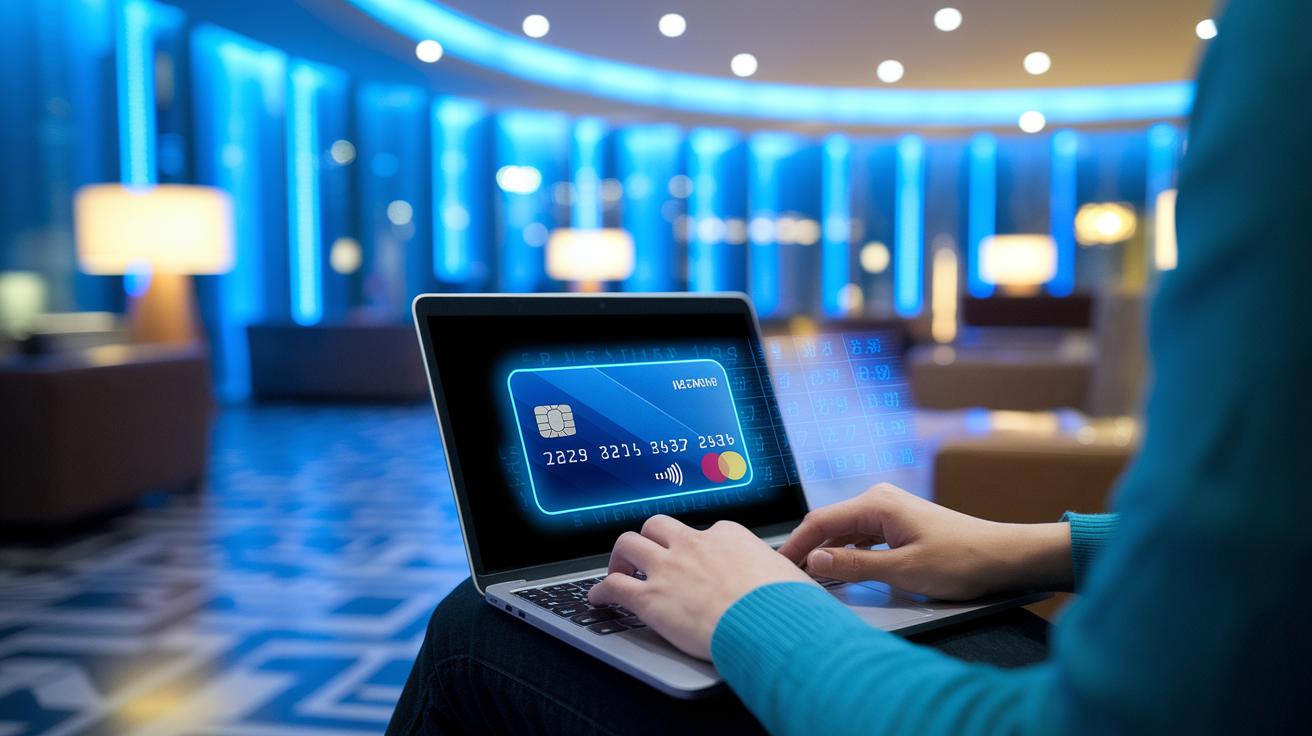
Virtual credit cards act like a secret identity for your regular card when you shop online, especially while traveling. They create a one-time 15- or 16-digit number that links back to your actual card but then shuts off right after you make your purchase. This means you never have to share your main card details, making it much safer for you.
These cards have been around since the late 1990s and were originally made to fight fraud. Over time, they have become an essential tool for secure travel payments online. Experts even predict that spending using virtual cards could hit $6.8 trillion by 2026, with a good chunk of that coming from business travel bookings. This smart method helps online travel agencies handle payments more smoothly, cuts down on refunds and no-shows, and keeps digital reservations secure.
| Feature | Benefit |
|---|---|
| Unique Card Numbers | Boosts security by using separate details for each transaction |
| Auto-Expiry | Ends the card’s validity after one use to prevent any misuse |
| Reduced Fraud | Protects your main account from unauthorized charges |
For travel providers, setting up this system is pretty straightforward and can be done in 3 to 8 weeks. This quick turnaround means they can start offering a safer online ordering experience that keeps digital payments robust against fraud.
Authentication Protocols and Multi-Factor Identity Checks for Secure Travel Transactions Online
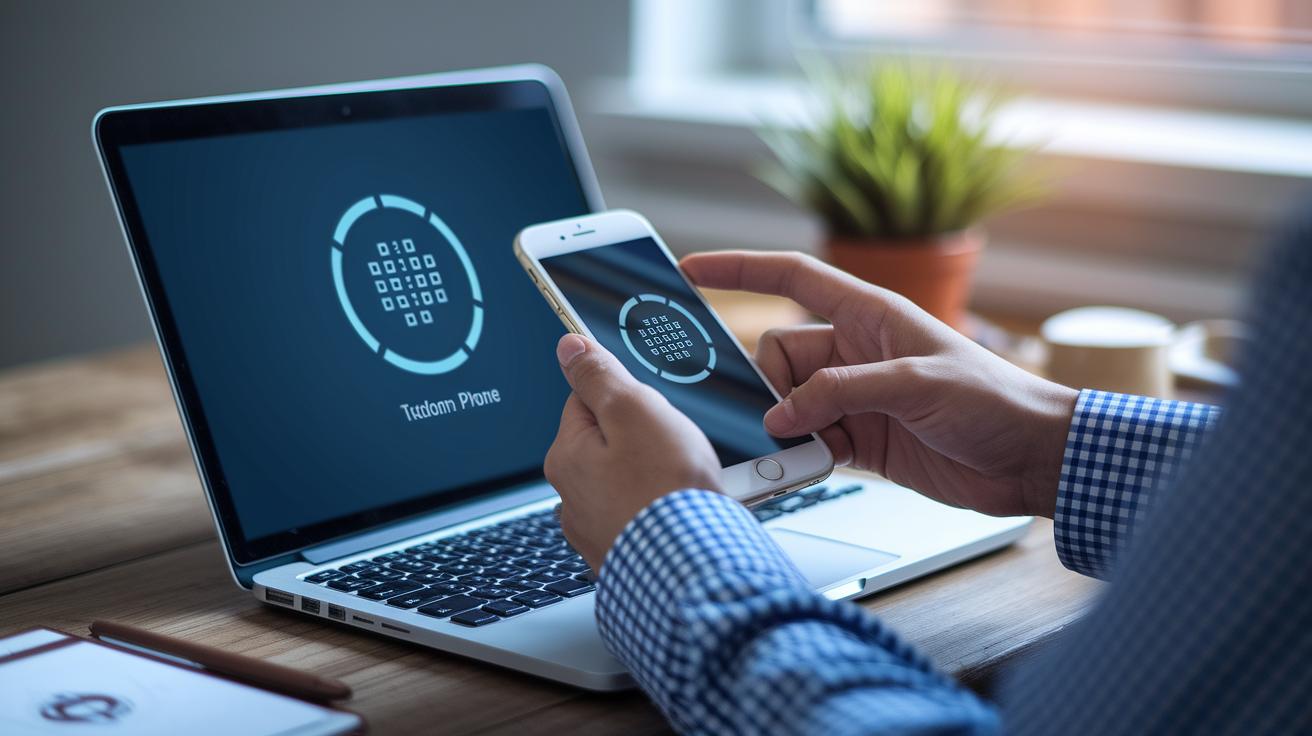
Travel sites today want to keep your bookings safe, so many now ask for two-factor authentication when you log in. With 2FA, you not only type in your password but also confirm your identity with a code sent by SMS or generated on an app. This extra step really helps keep unwanted guests out of your account.
Some sites take security even further by adding biometric checks like fingerprint or facial recognition right at checkout. This means the system makes sure it’s really you making the payment. And if something about a transaction looks unusual, risk-based authentication kicks in to ask for extra proof of who you are, without slowing things down when everything’s normal. Travel companies also store your login details in encrypted vaults, which helps protect against hackers trying out a bunch of passwords on one account.
To build a solid, layered security process at both login and checkout, here are a few tips:
- Use SMS or authenticator apps for effective two-factor authentication.
- Add biometric checks, such as fingerprint scans or facial recognition, to boost your security.
- Rely on risk-based approaches that ask for extra verification only on transactions that seem suspicious.
- Store user credentials in encrypted vaults to guard against repeated unauthorized access attempts.
Regulatory Compliance and Data Protection in Secure Travel Transactions Online
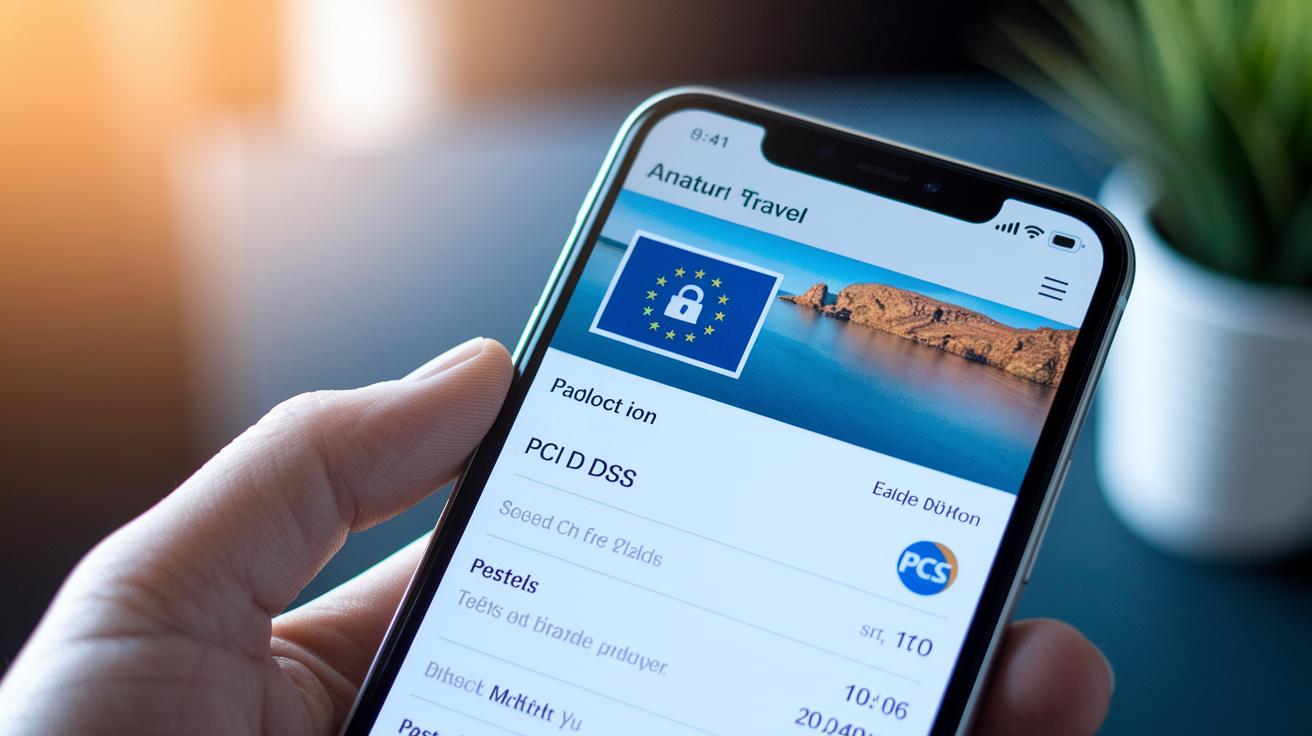
When you’re booking a trip online, it’s important to know that travel sites are serious about keeping your payment data safe. They follow strict rules so that when you enter your card details, everything’s secure and not stored in a risky way. In simple terms, these sites meet tough standards (PCI DSS) for handling and transmitting your card info, which means less chance for fraud during your travel payments.
If you’re in the EU, extra precautions come into play too. Travel companies serving EU customers follow GDPR rules that protect your personal data. This means they have to clearly ask for your consent and explain how they use your info. With these rules, you get to know exactly what happens with your data, helping you feel more confident when paying online.
Regular check-ups keep everything in tip-top shape. Travel platforms run tests, map out how data moves, and stick to clear change-control steps to catch any weak spots. They also share details about third-party payment services and explain how long they’ll keep your info. Plus, regular audits and staff training are key to making sure your data stays protected while you’re off exploring new destinations.
Final Words
In the action, we explored practical steps to secure travel transactions online. We broke down how updating your devices and using encrypted checkouts can add a safety layer. We also highlighted continuous monitoring, fraud prevention, and the smart use of virtual cards, paired with strong authentication protocols. Meeting key data protection standards keeps your information safe and your travel plans smooth. Taking these clear, actionable measures lets you move forward with confidence and keeps your travel expenses secure. Enjoy smart, worry-free travel!
FAQ
What is the safest or most secure online transaction?
The safest online transaction means a method employing strong encryption, two-factor authentication, and updated software that verifies website security with an https padlock while protecting personal and financial data.
What secure payment methods are recommended for travel transactions online?
The secure payment methods recommended include using updated credit cards, PayPal goods and services, virtual Mastercards, and one-time card numbers—all designed to keep your travel bookings and transactions safe.
How do platforms like PayPal secure online transactions?
The use of PayPal and similar services secures transactions by implementing encrypted transfers, real-time account alerts, and robust authentication measures that protect both buyer and seller data during bookings.
What is an example of a secure online transaction?
A secure online transaction can be seen when booking travel on a site that displays an https padlock, uses PCI DSS-compliant gateways, and employs active monitoring tools to spot any suspicious activity.
What is the safest way to receive money from a stranger online?
The safest way to receive money from a stranger is by using trusted, encrypted services like PayPal goods and services or virtual credit cards, which offer secure channels to protect sensitive financial information.
cenforce d reviews
cenforce d reviews
semaglutide tirzepatide side effects
semaglutide tirzepatide side effects
orlistat comercial colombia
orlistat comercial colombia
vardenafil and levitra
vardenafil and levitra
toradol duration
toradol duration
ivermectin antiparasitic scabies
ivermectin antiparasitic scabies
minoxidil foam vs liquid absorption
minoxidil foam vs liquid absorption
minoxidil onset professional guide
minoxidil onset professional guide
avanafil safe sourcing
avanafil safe sourcing
orlistat risk assessment
orlistat risk assessment
insurance coverage compliance
insurance coverage compliance
orlistat biochemical mechanism
orlistat biochemical mechanism
Delayed Absorption Overview
Delayed Absorption Overview
PK/PD Timing Resource
PK/PD Timing Resource
Viagra vs sildenafil peak effect
Viagra vs sildenafil peak effect
Sildenafil vs Cialis Duration Pharmacology Overview
Sildenafil vs Cialis Duration Pharmacology Overview
tadalafil regulatory equivalence
tadalafil regulatory equivalence
overview of tadalafil brands in India
overview of tadalafil brands in India
read about antibiotic medicines
read about antibiotic medicines