


Have you ever thought that a trip could change your whole outlook on life? Picture a place where cool mountain breezes mix with bright, ever-changing days.
In this guide, you'll get simple tips on packing light, figuring out sudden weather changes, and saving money while exploring New Zealand. We even share a few local phrases that can spark easy, friendly conversations.
Our friendly advice pairs practical tips with personal insights so that every escape feels unique and memorable. Let this guide be your travel buddy as you set off on smart adventures that stick with you long after you return home.
Essential Planning Checklist for Your New Zealand Trip
-
New Zealand’s weather can be full of surprises, so plan your trip with the season in mind. In summer, expect warm days around 20–25 °C with the occasional drizzle. Winter brings cooler temperatures (0–10 °C) perfect for skiing, while the shoulder months offer fewer crowds. Pack a light, waterproof jacket to keep you comfy during unexpected rain.
-
Before you head off, check that all your travel documents are in order. Ensure you have a New Zealand Electronic Travel Authority or visa along with proof of onward travel. It’s a bit like double-checking your passport and tickets before a big adventure, everything in place means smooth travels.
-
Even if you speak English, learning a few Māori phrases or basic New Zealand Sign Language can make your journey feel more personal. A simple greeting in Māori might just open the door to a friendly chat with a local, adding a special touch to your visit.
-
Keep your packing practical and light. Bring waterproof layers, sunscreen, a hat, and sunglasses to handle any weather surprises. Imagine enjoying a scenic stroll, shielded by your trusty hat and sunscreen, soaking in the beauty of a bright New Zealand day.
Budget Strategies in Your New Zealand Travel Guide
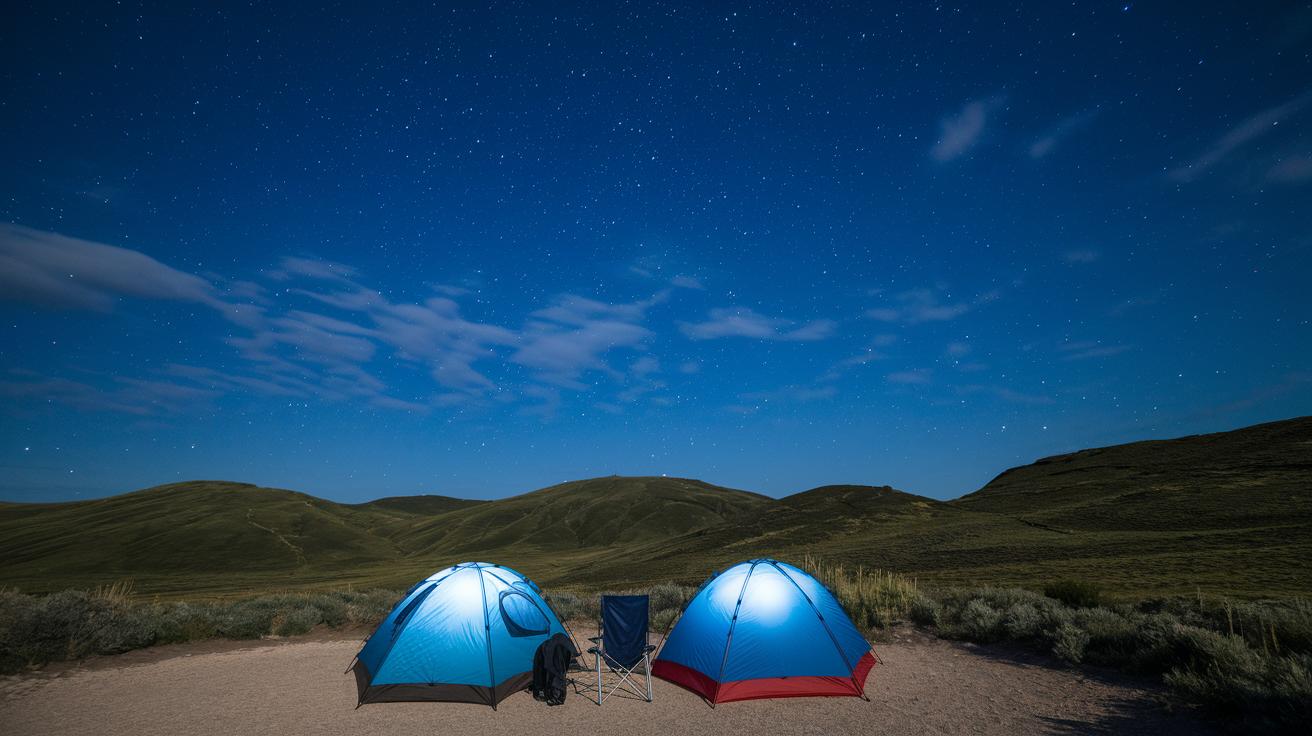
Planning a trip to New Zealand without breaking the bank is a smart move. You can still have an amazing Kiwi experience by choosing affordable lodging, transport, and activities that let you soak in the local charm without overspending. Mixing and matching different options can help you stay comfortable and keep costs low, no matter if you're wandering through scenic landscapes or exploring vibrant cities.
If you love the outdoors, why not try camping at DOC sites? Prices range from about 19 to 28 NZD a night, offering a budget-friendly way to sleep under the stars and wake up to fresh country air.
Another cost-savvy idea is renting a campervan. This way, you combine your ride and a place to stay, cutting down on two separate expenses in one go.
Hostels are a great option too. With dorm beds priced around 40 to 60 NZD, you can meet fellow travelers and share stories over a hot meal, making the experience both social and affordable.
Cooking your own meals after a quick grocery run can save you loads compared to eating out every day. It’s like packing a picnic during a long journey, you control the cost and customize it to your taste.
For exploring the regions, grab an InterCity FlexiPass bus pass. It gives you the freedom to hop on and off as you please while ensuring that travel between spots stays within budget.
When you’re in the cities, check out local transit cards. They sometimes offer one-way fares starting at just 2 or 3 NZD, making it easy to get around without splurging on taxis or rideshares.
And don’t forget, New Zealand is full of natural wonders that are free to explore. Enjoy the great outdoors, whether it’s a lush trail, a rugged coastline, or a quiet park, while keeping your travel spending low.
For more details on smart spending while traveling, check out the insights at vacation budgeting tips.
Top Destinations and Attractions in Your New Zealand Travel Guide
New Zealand has a delightful mix of experiences that will keep you captivated. Imagine strolling along Auckland’s waterfront with its sparkling skyline and the hum of city life blending effortlessly with nature’s charm. Up north, the Bay of Islands awaits with playful dolphins splashing in the ocean and the chance to see majestic whales. Meanwhile, a visit to the Waitangi Treaty Grounds offers a warm introduction to the history and local culture.
Traveling inland, you’ll come across the Tongariro Alpine Crossing, a 19-km hike set against dramatic volcanic backdrops. Shuttle services here run for about 55 NZD per person, making it a convenient way to explore. Over in Rotorua, geothermal parks pair with engaging Māori cultural shows. Think bubbling hot springs, erupting geysers, and an up-close look at rich tradition. Not far off, Wellington charms with interactive spots like Te Papa and creative hubs such as the Weta Workshop, where art meets science in a playful way.
For outdoor lovers, the Abel Tasman Coastal Track offers a 60-km escape with budget-friendly campsites (19–28 NZD) and cozy rustic huts (30–76 NZD). Fiordland’s Milford Sound promises serene cruises on awe-inspiring waters. And if you need a jolt of adrenaline, Queenstown has got you covered with bungy jumps around 395 NZD and skydiving starting at 329 NZD, all while you marvel at starlit views of Mount Cook National Park. For film enthusiasts, the Hobbiton Movie Set tour, starting at 120 NZD, delivers that magical experience you simply cannot miss.
- Milford Sound wilderness cruise
- Tongariro Alpine Crossing hike
- Bay of Islands dolphin tour
- Abel Tasman Coastal Track
- Queenstown bungy and skydiving
- Rotorua geothermal and Māori culture
- Hobbiton Movie Set experience
Sample Itineraries and Route Planning in Your New Zealand Travel Guide
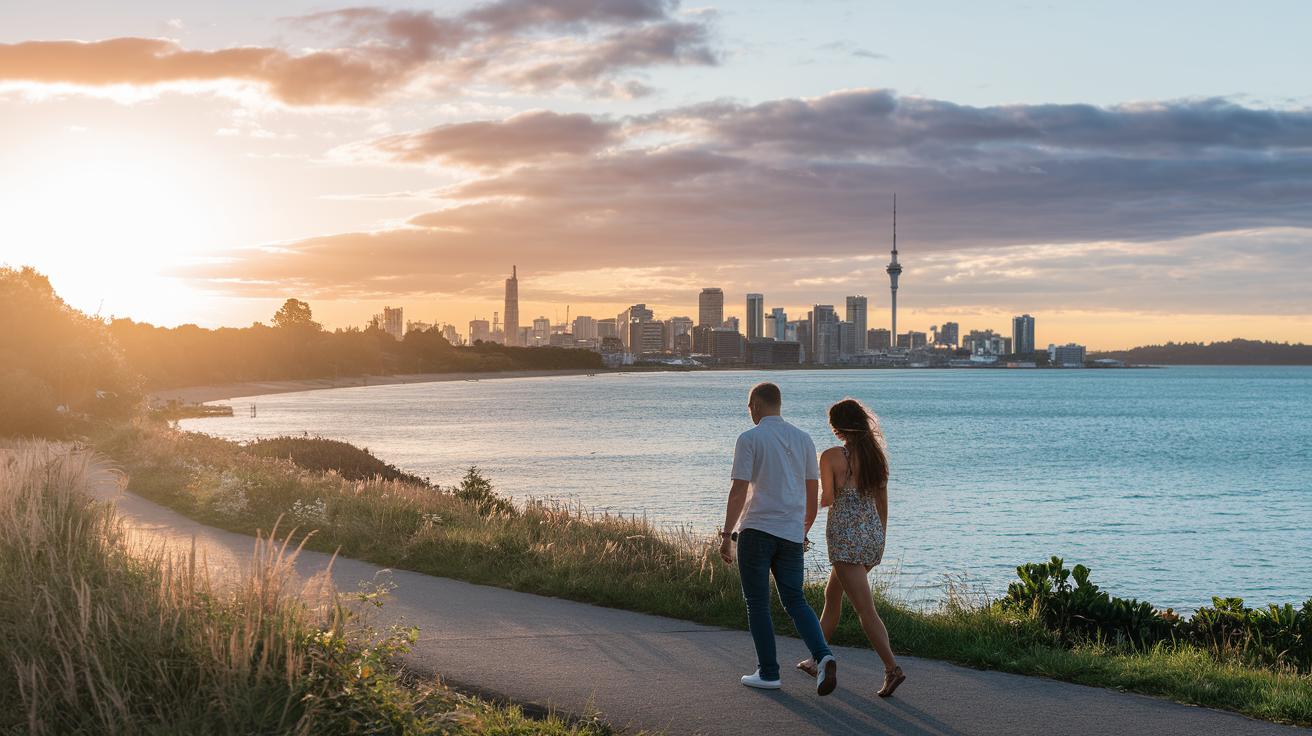
Imagine setting off on a self-guided adventure in New Zealand's North Island. Your 7-day journey kicks off in Auckland before you head south to Rotorua, where geothermal parks and lively Māori cultural shows await. Then, enjoy the serene lakeside charm of Taupo before exploring the rugged, volcanic views near Tongariro. Onwards to Napier, where art deco delights greet you, and finish in Wellington with its bustling waterfront and cool museums. Along the way, you can stay in local inns or budget motels, letting you sample the unique tastes of each town in the evenings.
If you're looking for a bit more variety, consider the 10-day North & South Highlights route. Start in Auckland as usual, and revisit Rotorua, Taupo, and Napier before making your way to Wellington. From there, hop on an inter-island ferry to Picton. The South Island part of your trip is full of scenic drives along the Abel Tasman coast with plenty of camping spots. You’ll then have a thrilling heli-hike at Franz Josef (it’s around 695 NZD) before wrapping up with the adventurous vibes of Queenstown, perfect for outdoor sports enthusiasts. This route is a flexible mix of self-driven freedom and well-planned stops, giving you plenty of room to set your own pace.
For those ready to dive deep into New Zealand’s magic, the 14-day Full Aotearoa Circuit is the way to go. Building on the 10-day highlights, you’ll add even more South Island gems. Once you’ve seen the main sights on both islands, head over to Mount Cook National Park. Here, the dark sky reserve offers an unforgettable stargazing treat. Continue your drive into Christchurch and feel the relaxed charm of Wanaka before venturing into Fiordland to experience the famous Milford Sound. Renting a campervan or car means you can tweak your schedule as you go, and hopping on inter-island ferries like those from Interislander or Bluebridge makes it all come together.
| Itinerary | Key Stops |
|---|---|
| 7-Day North Island Expedition | Auckland, Rotorua, Taupo, Tongariro, Napier, Wellington |
| 10-Day North & South Highlights | Auckland, Rotorua, Wellington, Picton, Abel Tasman, Franz Josef, Queenstown |
| 14-Day Full Aotearoa Circuit | All of 10-Day plus Mount Cook, Christchurch, Wanaka, Fiordland/Milford Sound |
Transportation Options in Your New Zealand Travel Guide
New Zealand has plenty of ways to get around, no matter your budget or style. If you fancy an adventure with a twist, try hiring a campervan. It lets you sleep where you park and saves you extra accommodation costs. A rental car is perfect if you like a smoother ride and the freedom to explore off the beaten path.
The InterCity bus network is a solid choice too. With the FlexiPass, you can hop on and off at both small towns and bustling cities. It’s a relaxed way to absorb the local vibe as you travel between stops.
For longer trips between islands, domestic flights can really cut down your travel time, giving you more moments to enjoy sightseeing. And if you’re really watching your spending, hitchhiking might be a daring yet rewarding option. It opens doors to meeting locals and enjoying unexpected side trips on quieter roads.
Ferry services like Bluebridge and Interislander make it easy to switch between the North and South Islands without burning a hole in your pocket. They offer a scenic break that feels like a mini adventure by itself.
When it comes to city travel, urban transit cards are a smart move. You can pay just 2–3 NZD for a one-way ride, which is great for quick trips around busy urban centers where parking or renting might be a hassle.
If you're putting together your itinerary, check out trusted booking sites like smart travel for the latest deals and handy tips. Each transportation choice has its own pros and cons, so it all comes down to what fits your travel style and budget best. Enjoy planning your journey!
Accommodation Recommendations in Your Zealand Travel Guide

If you’re planning a trip and need a place to stay, New Zealand has something for everyone. Whether you’re a backpacker on a budget or someone who wants a bit more comfort, you’ll find a great option that fits your travel style.
For travelers who love connecting with others and don’t mind sharing a space, hostel dorms are a friendly and cost-effective choice. They usually cost around 40 to 60 NZD per night. Picture yourself swapping travel stories with fellow adventurers while keeping your budget in check.
If a little privacy and extra space is what you’re after, consider a budget hotel or an Airbnb. These spots typically run about 125 NZD per day and offer cozy rooms along with the comfort of home. It’s a great way to mix convenience with affordability.
For those who want to enjoy a bit more luxury without breaking the bank, midrange options are ideal. Priced at about 275 NZD per day, they strike a nice balance between comfort and cost, and are often conveniently located near local attractions. It’s the perfect setup to explore New Zealand without too many compromises.
If you’re ready to splurge or try something truly unique, upscale hotels and lodges start at around 500 NZD per day. And for the nature lovers, DOC campsites are an excellent pick. They come at about 19 to 28 NZD a night, letting you stay close to nature in a more intimate setting.
You can also find national park huts, ranging from 30 to 76 NZD per night, for a really rustic experience amidst New Zealand’s stunning landscapes. And if you enjoy the freedom of the open road, overnight campervan options combine travel with lodging, making them a smart choice, especially during off-peak seasons when you might snag a better rate.
No matter your budget or travel style, there’s an option waiting for you in New Zealand. Happy travels!
Thrilling Activities in Your New Zealand Travel Guide
Even though some of these experiences might pop up in other sections, here are fresh, insider tips to amp up your adrenaline-fueled New Zealand adventures.
Thinking about the Queenstown bungy jump off Nevis (roughly 395 NZD)? Here's a tip from someone who’s been there: book a day in advance during quieter times for shorter lines and clearer skies. Always double-check the weather and make sure your safety gear is spot on before you take the leap.
Over in Lake Taupo, tandem skydiving (ranging from 329 to 499 NZD) becomes even more amazing if you book early in the morning. Imagine this: one traveler said that jumping at dawn turned the rush into a calm, surreal glide over sparkling waters.
When you plan the Tongariro Alpine Crossing, pack extra water and layers. A friendly local once mentioned, “Start before sunrise to dodge the larger crowds and unpredictable weather, all while soaking in the epic volcanic scenery.” This little nudge can make a big difference in your journey.
For a Franz Josef Glacier heli-hike (around 695 NZD), set aside some extra time before your flight. A seasoned insider advised, “Arrive early so you can acclimatize, go over the gear checks with your guide, and get any new trail updates.” And don’t forget to verify the latest trail conditions and local alerts.
General tips for all these heart-pounding activities:
- Book mid-week to enjoy a quieter experience.
- Confirm safety briefings and equipment checks ahead of time.
- Keep an eye on local weather reports, as conditions can shift fast.
- Ask about free cancellation policies, which sometimes allow changes up to 48 hours before your adventure.
Cultural and Local Experiences in Your New Zealand Travel Guide

When you're in New Zealand, take a moment to wander off the beaten path. Instead of sticking to the usual sights, dive into the local scene to truly feel the community's spirit. Picture chatting with locals and uncovering hidden gems at every turn.
Start your day at the Matakana Village Farmer's Market. Imagine the friendly buzz as vendors offer homemade treats you can savor. Let the smell of freshly baked bread warm you up, reminding you that every bite carries a little taste of home.
You might also want to try some insider experiences. For example, enjoy a Martinborough wine tour that lets you sip regional winemaking stories with each glass. And when you’re in Christchurch, treat yourself to a gondola ride where you'll see the city from a whole new angle. These rides lift you above the noise and reveal stunning, unique views that you just can’t get anywhere else.
These local adventures offer a genuine slice of life in New Zealand, far removed from the typical tourist checklist. Enjoy the journey and let every new experience bring you closer to the heart of the place.
Seasonal and Practical Tips in Your New Zealand Travel Guide
When summer hits New Zealand, you'll experience long, sunlit days with temperatures usually between 20 and 25°C. Even when the sky is bright and blue, don’t forget to pack a light raincoat, sudden showers can pop up unexpectedly. And with high UV levels, it's wise to bring along sunscreen and a hat for extra protection.
Winter (June to August) brings cooler weather, with temperatures dipping from 0 to 10°C. This is a great season for winter sports like skiing, though keep in mind that lift passes can cost anywhere from 95 to 165 NZD. Mountain roads may also get tricky when the weather turns harsh, so plan your travel accordingly.
Traveling during the shoulder seasons (March–May and September–November) can be really rewarding. The weather is milder, the crowds are thinner, and prices tend to be lower. It's the perfect time to explore popular routes and local spots at your own pace. Plus, if you’re flexible with your plans, you might snatch up some last-minute deals on flights and tours. Some seasoned travelers even find extra savings when booking just 2–7 days ahead. For more smart tips, check out Expedia’s 2024 Air Travel Hacks Report.
Always keep safety in mind while exploring. Secure your valuables and never leave them visible in your car. Stick to marked trails, especially when venturing into remote areas, to keep risks to a minimum. In urban areas, city transit cards can get you around quickly for as little as 2–3 NZD per one-way trip. And when using ride-sharing services, a quick peek at local customs might help you save both time and money.
Before you head out, make sure your travel documents, like your passport, visa, or NZeTA, are current. Plan your activities around seasonal changes and use local transit tips to make your journeys quick and budget-friendly. With these insights, every season in New Zealand becomes a chance for a truly breathtaking escape.
Final Words
In the action, this New Zealand travel guide breaks down everything from planning essentials to cost-smart tips on transport, lodging, and cultural highlights. The outline offers practical checklists for packing, seasonal advice, and a range of itinerary options, from short island loops to extended circuits. It highlights thrilling activities and local experiences that fit any budget. The guide serves up clear, friendly advice to help you maximize every dollar spent while exploring picturesque New Zealand. Embrace these smart travel hacks and set off with excitement and confidence.
FAQ
Q: What is the best month to visit New Zealand?
A: The best month to visit New Zealand is during shoulder seasons like March to May or September to November, offering mild weather, fewer crowds, and better deals while still enjoying long days in summer.
Q: What should I know before traveling to New Zealand?
A: What you should know before traveling to New Zealand includes meeting entry requirements such as a visa or NZeTA, planning for weather extremes, packing waterproof gear, and researching local transportation and lodging options.
Q: Where should I go for my first time in New Zealand?
A: A first-time visitor to New Zealand might explore well-known spots like Auckland, Bay of Islands, Rotorua, and Queenstown. These areas provide a mix of cultural experiences, beautiful natural settings, and convenient travel options.
Q: How many days should you visit New Zealand?
A: The ideal visit to New Zealand is around 10 to 14 days, allowing you to experience key attractions and local culture. Shorter trips may cover highlights but can leave some gems unexplored.
Q: What travel guides and itineraries are available for New Zealand?
A: The available travel guides for New Zealand include printed books, PDFs, online forums like Reddit, and sample itineraries that cover planning essentials, cost-saving tips, and recommended routes for various trip lengths.
Q: What travel packages are available for New Zealand?
A: New Zealand travel packages range from all-inclusive deals and group tours to custom itineraries designed for couples or families. These packages often bundle transport, accommodation, and activities for a hassle-free experience.