

Ever thought you could mix old-world charm with hassle-free travel? Imagine stepping into a place where traditions are alive and entry rules are as clear as a friendly signpost at a busy terminal. In Bhutan, you can pack light, follow simple local tips, and get straight-to-the-point advice that makes your journey smooth. Every tour here helps local communities while giving you a genuine taste of the country's culture. Curious about a travel experience that's both respectful and exciting? Let Bhutan show you a stress-free cultural escape that's just waiting to be discovered.
Bhutan travel guide essentials: visa requirements and entry logistics
If you're planning a trip to Bhutan, you'll need to secure a visa by booking through a Bhutanese tour company. This means joining a guided tour that handles all the legal steps and respects local cultural practices. Every tour package comes with a mandatory USD 100 daily Sustainable Development Fee, so you can relax knowing experts have arranged everything for you.
A typical seven-day, six-night package costs about USD 3,370 if you pay by credit card, which includes a small 5% transaction fee. For a bit of extra savings, some travelers choose to pay via wire transfer to avoid those fees. This price not only covers your tour and accommodations but also supports local development, letting you dive into Bhutan’s rich culture and scenic beauty without worrying about hidden costs.
Independent travel is only allowed in the western valleys of Paro and Thimphu, keeping visitors within well-organized and safe areas. Most travelers opt for guided tours to explore further and get a real taste of the country’s unique heritage. When you land at Paro International Airport, a small yet efficient facility with quick immigration checks, it sets a positive tone for your adventure ahead.
Bhutan travel guide seasons and packing tips
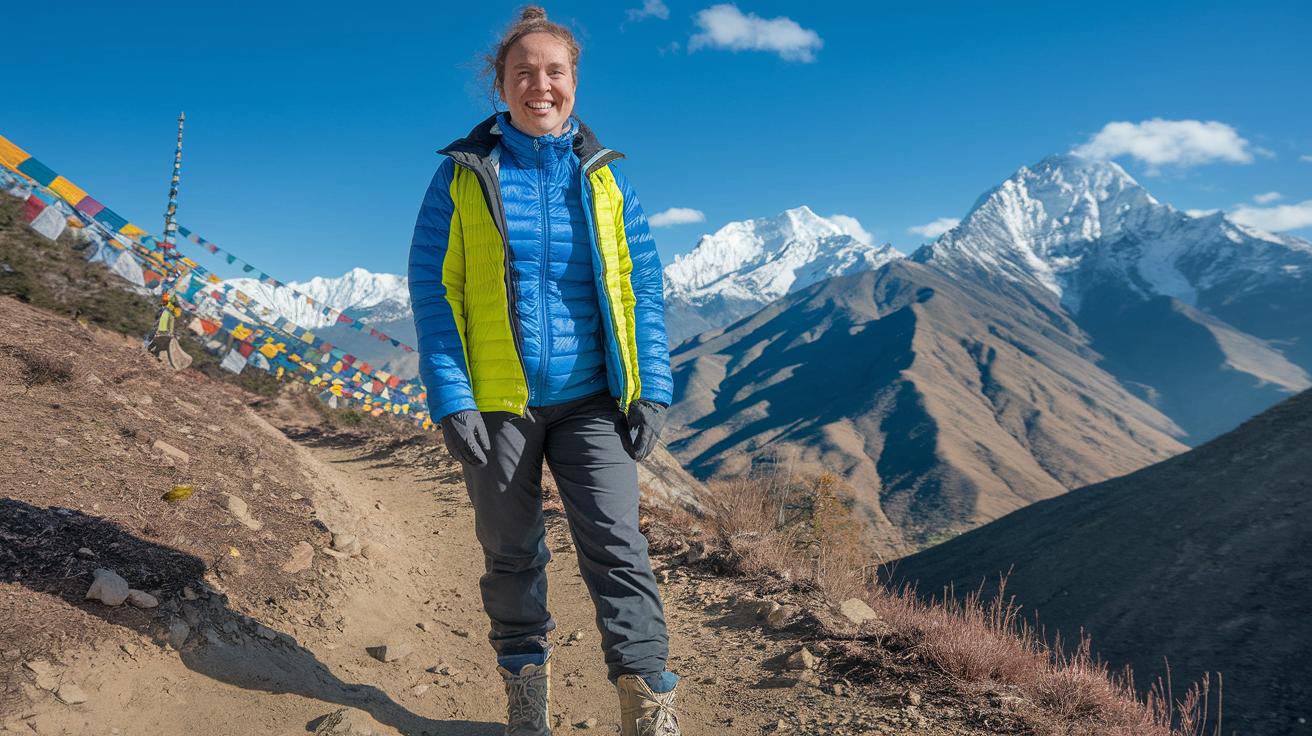
Spring (March–May) and fall (September–November) are the ideal times to explore Bhutan. The weather stays mild and the skies are usually clear, making it perfect for experiencing nature at its best. During these months, local festivals fill the air with lively music and dance, giving you a real taste of Bhutan’s rich culture. The forecast is friendly for sightseeing and gentle outdoor adventures.
When you’re packing, think layers. Bring hiking clothes that you can easily add or remove, sturdy shoes for all that walking, and a lightweight rain jacket, you never know when a drizzle might pop up. Also, a pair of casual jeans is a great choice for temple visits where you need to dress modestly. This simple style helps you fit in, whether you’re roaming busy towns or quiet villages. For more packing tips, check out trip packing hacks.
Because Wi-Fi isn’t always reliable, it’s smart to print some maps or load an offline GPS before you head out.
Bhutan travel guide: Inspiring Culture & Easy Escapes
Embark on a seven-day adventure that mixes local culture with relaxed getaways in Bhutan’s western valleys. When you land in Paro, ease into your journey with a short drive to Ta Dzong and a visit to the historic Paro Dzong to catch a glimpse of the local heritage. Over the next few days, you’ll enjoy a gentle morning hike near Thimphu and later, take in awe-inspiring Himalayan views as you drive through Dochula Pass. Explore friendly rural villages and challenge yourself with the famous Tiger’s Nest hike, where every step brings you closer to Bhutan’s authentic charm and warm hospitality. This itinerary is your golden ticket to experiencing both breathtaking landscapes and the rich tapestry of Bhutanese culture.
| Day | Destination | Highlights |
|---|---|---|
| Day 1 | Paro | Arrive in Paro, take a short 20-minute drive to Ta Dzong, and explore the historic Paro Dzong. |
| Day 2 | Thimphu | Start your morning with a hike at Choekhortse Goemba and enjoy sweeping views of Thimphu’s skyline. |
| Day 3 | Punakha | Travel from Paro to Punakha with a stop at Dochula Pass to catch 360° Himalayan vistas. |
| Day 4 | Gangtey | Hike from Punakha to Gangtey, stopping at a cozy rural village and a small, charming temple. |
| Day 5 | Paro | Return to Paro on a relaxed four-hour drive, enjoy a lunch break, and spend time souvenir hunting. |
| Day 6 | Paro | Set off on the famous Tiger’s Nest hike (lasting 4–5 hours) – note that photography inside the monastery isn’t allowed. |
| Day 7 | Paro | Wrap up your adventure with a smooth departure from Paro airport, thanks to efficient check-in and security. |
Bhutan travel guide region highlights: Paro, Thimphu, Punakha & Gangtey
Paro
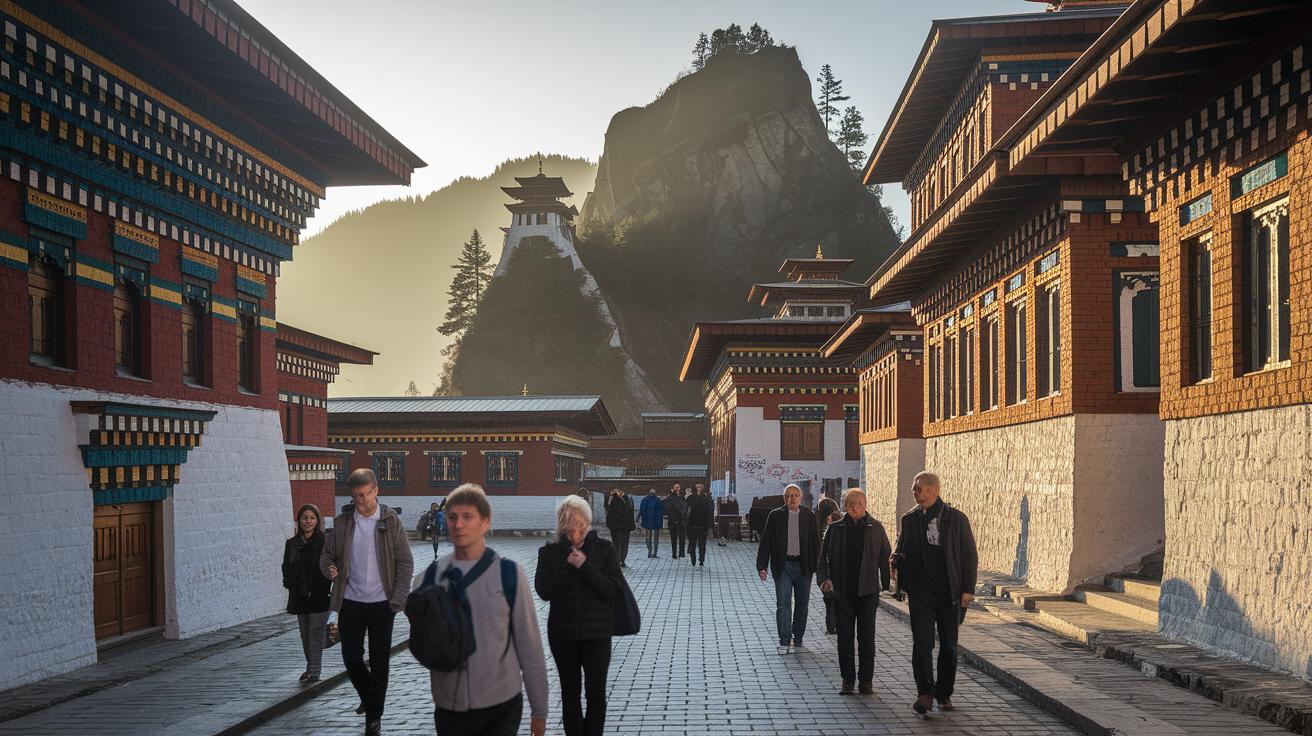
Paro charms visitors with its iconic Tiger’s Nest Monastery, clinging to a rugged cliff, the grand Paro Dzong, and the ancient Kyichu Lhakhang, which dates back to the 7th century. Picture yourself meandering through historic alleys where every stone whispers a tale. Local archery matches add a playful buzz to the cultural vibe, making you feel part of Bhutan’s living heritage.
Strolling down narrow lanes and exploring bustling local markets, you’ll notice traditions that have quietly endured over time. The mix of sacred sites and community festivities creates a warm, immersive experience that truly celebrates the spirit of Bhutan.
Thimphu
In Thimphu, the capital set at about 2,300 meters, modern life meets rich tradition. Wander up to the stately Tashichho Dzong or lose yourself in the calm of Cheri Monastery. And don’t miss the towering Buddha Dordenma statue, which watches over the valley like a gentle guardian. Think about starting your day with a visit to the lively Thimphu Farmer’s Market, local produce, friendly faces, and a true taste of the city.
The city is also dotted with cultural gems like the National Memorial Stupa and the Zorig Chusum Arts & Crafts School. Each landmark shares a piece of Bhutan’s history and showcases the importance of community in everyday life.
Punakha
Punakha offers a peaceful escape where rural charm takes center stage. Its majestic Punakha Dzong and the unique Chimi Lhakhang, with its legends of fertility dating back to the 15th century, invite you to step back in time. Every stone and bridge seems to tell its own story, steeped in tradition.
Crossing the Pho Chu suspension bridge provides a perfect pause, a moment to breathe in the scenic surroundings and enjoy nature’s calm. Punakha’s relaxed pace makes it easy to unwind and really savor its historic architecture.
Gangtey
Tucked away in the high Phobjikha Valley at 3,000 meters, Gangtey is a haven of peace. The 17th-century Gangtey Monastery stands as a testament to a long, reflective tradition. Here, the quiet and unspoiled landscapes invite you to slow down and fully appreciate the rural vibes.
At the Black Necked Crane Center, you can peer through telescopes to catch a glimpse of these rare birds soaring against sweeping valley views. The mix of cultural depth and natural beauty makes Gangtey a must-visit spot for anyone looking for a mindful escape.
Bhutan travel guide accommodation options and budget
After a day of adventures in Bhutan, finding a comfy spot to relax is absolutely key. Whether you're leaning toward a mid-range spot with modern conveniences or a charming guesthouse where you can feel the local vibe, there's something here for every traveler and budget.
Here are some picks you might want to check out:
- Hotel Olathang (Paro, 2,200 m): Enjoy breathtaking valley views and well-designed, mid-priced rooms that usually run you about USD 150 to 200 per night.
- Kisa Villa (Thimphu, 2,300 m): With modern touches in a vibrant setting, this option comes in at roughly USD 180 to 220 per night.
- Divine Heritage House (Punakha, 1,200 m): Dive into a cozy, traditional atmosphere that feels just like home, priced between USD 70 and 100 per night.
- Farmhouse homestays: For a deeply immersive rural experience, these homestays offer a taste of local life at around USD 50 to 70 per night, though you might find a few language quirks along the way.
- Luxury lodges around Gangtey: If upscale comfort with stunning panoramic views is more your style, these lodges set you back around USD 250 to 300 per night.
Bhutan travel guide transportation and routes
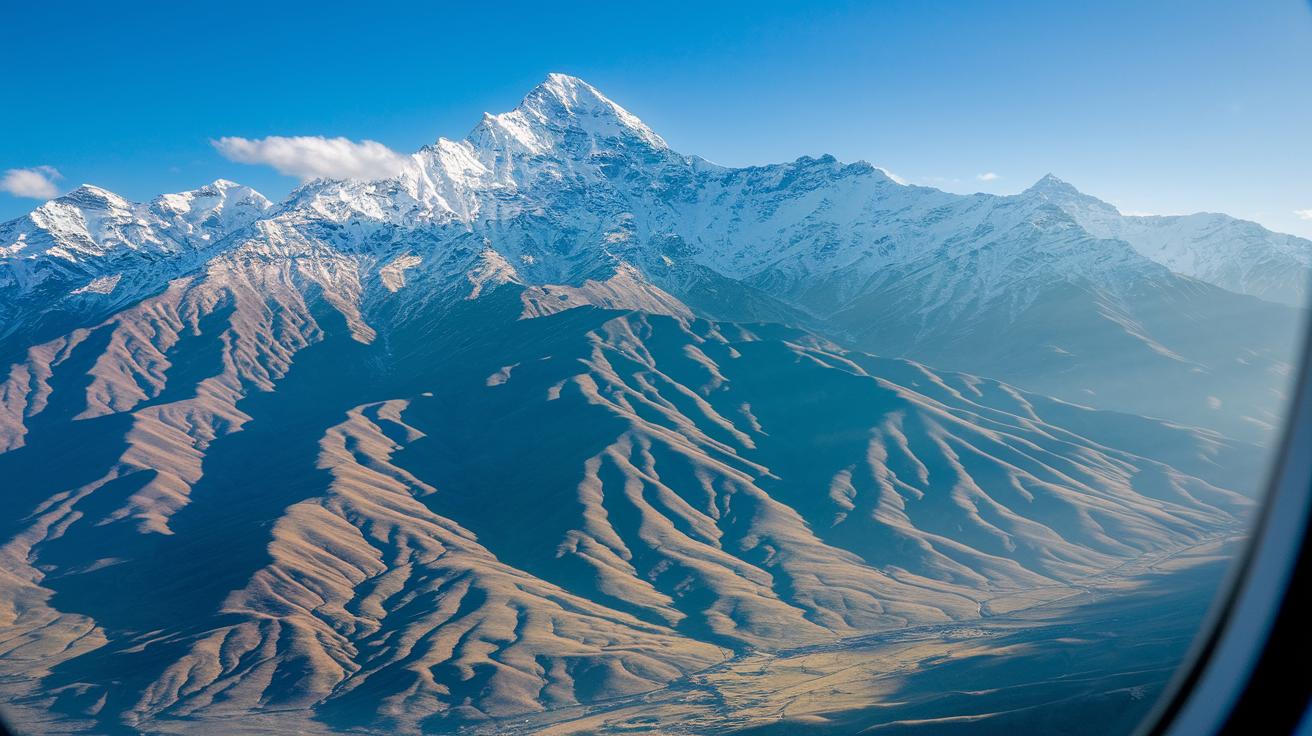
Flying into Bhutan is like stepping into a living postcard. You can catch direct flights from cities such as Kathmandu, New Delhi, Kolkata, Bangkok, or Singapore with Druk Air and Bhutan Airlines. As you soar over rugged peaks and gentle valleys, the view feels almost magical, a perfect kick-off for your adventure. For more air travel tips, check out expedia's 2024 air travel hacks report.
Once you land, your journey transforms into a delightful road trip. Start with a 45-kilometer drive from Paro to Thimphu along winding routes that take roughly 60 to 90 minutes. Next, prepare for a three-hour mountain drive from Thimphu to the high Phobjikha Valley, where you’ll notice the landscape shifting with every steep turn. Then, enjoy a leisurely two-hour journey from Phobjikha to Punakha, with each curve revealing fresh, panoramic vistas. Finally, head back to Paro in about 1.5 hours, giving you time to savor every moment.
Your tour company sets you up with smooth ground transfers, with private drivers who expertly navigate the narrow mountain roads. Every ride brings you one step closer to truly experiencing the serene charm of Bhutan.
Bhutan travel guide cultural etiquette and festivals
In Bhutan, local customs invite you to dress in a way that honors tradition. Bhutanese men wear the traditional gho, and women usually wear the kira every day. When you're visiting, it's a good idea to stick with modest clothing, especially when exploring temples, to show respect for these cherished places. Imagine wandering through ancient alleys and quiet markets, comfortably blending in with the locals.
At sacred spots like monasteries and dzongs, snapping photos isn’t allowed. This rule helps keep these places special and preserves their time-honored traditions. Picture yourself standing quietly before an age-old temple, taking in its history without the distraction of your camera, it really lets you connect on a deeper level with Bhutan’s cultural legacy.
Spring and fall are when Bhutan bursts into celebration. The major festivals, called Tsechu, fill the air with colorful masked dances and communal rituals. These gatherings honor royal customs and highlight the local belief in Gross National Happiness. Have you ever seen a community come alive in dance and music, every moment echoing shared joy?
Bhutan travel guide safety advice and sustainable tourism

At altitudes reaching up to 3,000 meters, you might feel a bit off, sometimes even a touch of altitude sickness. Take it easy on your first day and give yourself a day or two to adjust. Listen to your body and don’t hesitate to rest if the altitude starts to catch up with you.
When you venture into rural valleys, don’t count on a strong internet or cell signal. It’s a good idea to share your travel plans with someone and have a backup way to stay connected. Also, the daily fee you pay isn’t just extra, it helps fund local schools, health care, and environmental projects, making your journey a little gift to the community.
Opting for a guided tour is a smart way to navigate Bhutan’s narrow, winding mountain roads safely. Local drivers and guides know these paths inside out, pointing out the safest routes through steep turns and letting you know about any tricky spots ahead. They’ll share handy tips on handling the effects of altitude and stress the importance of preserving Bhutan’s natural and cultural charm. This blend of practical advice and a focus on sustainable travel makes your trip both secure and meaningful.
Final Words
In the action, the post tackled visa rules, tour requirements, cost details, and a seven-day itinerary that covers top spots from Paro to Gangtey. It also shared smart packing and transport tips along with guidance on local customs, festivals, and safety tactics.
Each section built your confidence to move forward with planning an authentic trip. With this Bhutan travel guide, you're all set to explore and savor every unique experience. Happy travel planning!
FAQ
Where can I find reliable Bhutan travel guide resources?
Reliable Bhutan travel guide resources include books, online forums, and community discussions. Travelers from the USA and other regions often use sites like Reddit for firsthand tips and advice.
What are the official Bhutan tourism rules?
Bhutan tourism rules require all visitors to book through a licensed Bhutanese tour operator and pay a mandatory daily fee. This system helps fund local education, health, and conservation projects.
How much does a trip to Bhutan cost?
A typical 7-day package in Bhutan averages around USD 3,370 when paid by credit card, including the Sustainable Development Fee and other costs. Prices vary with the type of payment and tour extras.
Which month is best to visit Bhutan?
The best months for visiting Bhutan are in spring (March–May) and fall (September–November) when the skies are clear, temperatures are mild, and you can experience the unique local festivals.
Can US citizens travel to Bhutan?
US citizens can travel to Bhutan by arranging a trip through a licensed Bhutanese tour company. They must follow entry and visa requirements, which include paying a daily fee upon arrival.
How many days should a Bhutan itinerary last?
A well-planned Bhutan itinerary generally lasts about 7 days, allowing enough time to explore key areas such as Paro, Thimphu, Punakha, and Gangtey while adjusting to the local environment.
What is the cost and value of Bhutan tour guides or private tours?
Bhutan tour guide costs vary based on the package chosen. Private tours provide personalized prices that reflect additional services, offering travelers a focused and unique experience throughout their visit.
Who are the best Bhutan tour operators?
The best Bhutan tour operators are licensed agencies known for arranging comprehensive itineraries that include visa processing, guide services, and tour planning, ensuring a smooth and enjoyable visit.
Where can I find Bhutan travel itineraries and packages?
Bhutan travel itineraries and packages are available through official Bhutanese travel centers and licensed tour companies. These providers offer complete planning that covers entry logistics, accommodations, and local attractions.
How can travelers from India book a trip to Bhutan?
Travelers from India can book a trip to Bhutan through specialized local tour operators who handle visa processing, daily fees, and provide cross-border services, ensuring a hassle-free booking experience.